
A failing septic system rarely announces itself with a single dramatic event. Instead, it whispers through soggy patches of grass, odd smells, and slow drains long before a full backup forces an expensive emergency call. Learning to read these early warning signs can save you thousands of dollars in repairs and protect your family’s health and your property’s groundwater. This guide walks you through the most telling clues your yard may be hiding a septic problem, and what to do about each one.
Puddles or Soggy Patches Above the Drain Field
One of the earliest signs of septic trouble is standing water or unusually spongy ground above your drain field, especially when it hasn’t rained recently. This happens because the soil can no longer absorb effluent properly, so it rises back to the surface instead of filtering down through the ground. If you notice this happening consistently in the same spot, it’s a strong indicator that the system is overloaded or failing.
Left unaddressed, this saturated soil can become a breeding ground for bacteria and attract pests to your yard. It can also make the ground unstable enough that heavier equipment sinks or shifts when driven over it. Homeowners dealing with washed-out or uneven areas around the field sometimes look into mudjacking services to relevel sunken sections once the underlying moisture issue has been resolved.
- Check the same area after several dry days to rule out simple rainfall runoff
- Note whether the grass squishes underfoot even in warm weather
- Watch for the same wet spot reappearing in the same location season after season
- Take photos over time to track whether the problem is spreading
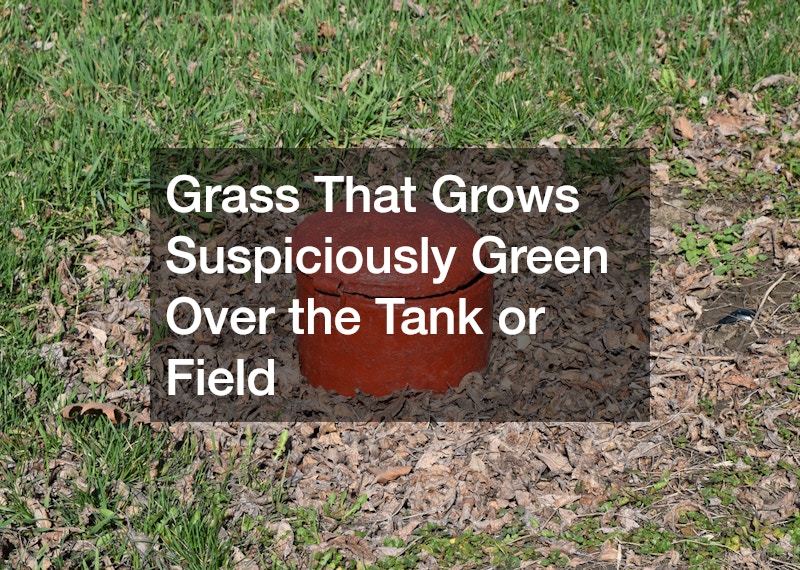
Grass That Grows Suspiciously Green Over the Tank or Field
While most homeowners worry about dead patches, a lush, bright green strip of grass over your septic tank or drain lines can be just as telling. This vivid growth often means the grass is receiving extra nutrients and moisture from leaking effluent, essentially acting like unwanted fertilizer. It’s easy to mistake this for a healthy lawn, but the pattern usually follows the exact shape of your buried pipes or tank.
Compare this strip to the rest of your lawn under the same watering and mowing conditions. If it consistently outpaces everything around it, especially in dry weather, it deserves closer inspection rather than admiration.
- Look for a rectangular or linear pattern matching your system’s layout
- Compare growth rate to areas of the lawn with similar sun exposure
- Be suspicious of green growth appearing during droughts
- Avoid planting deep-rooted trees or shrubs near this area going forward
Sewage Odors Near the Yard or Home
A properly functioning septic system should not produce noticeable odors in your yard or house. If you catch a whiff of rotten eggs or sewage near the tank, drain field, or even indoors near drains, it usually means gases are escaping instead of being contained and filtered as designed. This can happen due to a cracked tank lid, a failed vent pipe, or a system that’s simply reached capacity.
Odors that seem to intensify after rain or heavy household water use are particularly telling, since they suggest the system is struggling under normal operating conditions. Don’t rely on air fresheners or landscaping to mask the smell, since this only delays a necessary inspection. A professional can pinpoint whether the odor originates from the tank, the lines, or a plumbing vent issue inside the home.
- Sniff around the tank lid and cleanout caps on a calm day
- Notice if odors are stronger after showers, laundry, or dishwasher cycles
- Check indoor drains and toilets for similar smells
- Don’t ignore smells that come and go, as intermittent issues can still signal a real problem
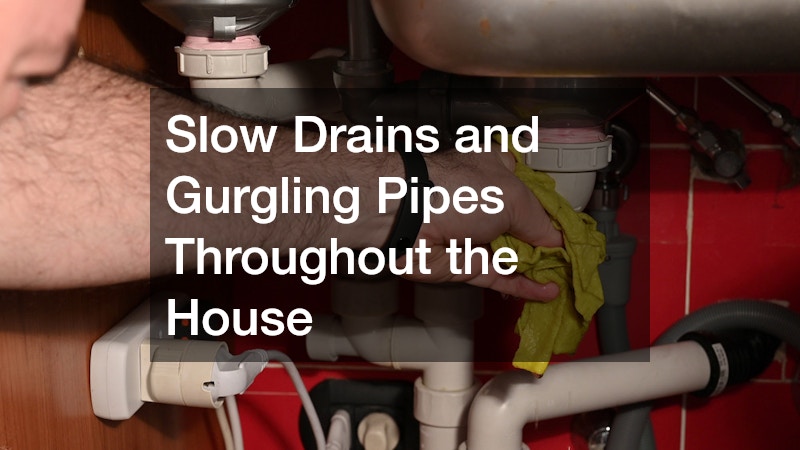
Slow Drains and Gurgling Pipes Throughout the House
When multiple drains throughout your home start running slowly at the same time, it’s rarely a coincidence tied to just one clogged pipe. This pattern often points to a septic system that can’t accept wastewater as quickly as it’s being produced. Gurgling sounds from toilets or sinks after you run the washing machine or shower are another classic symptom worth paying attention to.
Before assuming the septic tank itself is the culprit, it’s worth ruling out a blockage closer to the source. Routine drain cleaning can clear out grease, hair, and debris that mimic the symptoms of a failing system, and it’s a far less expensive fix if that turns out to be the actual issue. If slow drains persist even after cleaning, the problem likely lies further down the line in the tank or field itself.
- Test multiple fixtures in sequence to see if slowness is isolated or widespread
- Listen for gurgling in toilets when the sink or shower is running
- Rule out simple clogs before assuming a full system failure
- Keep a log of when slow drainage happens to share with a professional
Unusual Pooling Near the Septic Tank Lid or Risers
Standing water directly around the tank’s access lid or risers is a more urgent sign than general yard sponginess. This usually means the tank is at or near capacity and effluent is finding its way to the surface through the path of least resistance. It can also indicate a crack in the tank itself, allowing water to seep out from the sides rather than flow through the designed outlet.
This is not a situation to wait out, since pooling sewage poses a genuine health risk to people, pets, and local waterways. Scheduling local septic tank cleaning as soon as you notice this symptom can determine whether the tank simply needs to be pumped or whether there’s structural damage requiring repair. Waiting too long can allow solids to escape into the drain field, causing damage that’s far more expensive to fix than a routine pump-out.
- Never attempt to open or inspect the tank lid yourself due to gas exposure risk
- Keep children and pets away from the area until it’s addressed
- Note whether the water has an odor, which suggests tank overflow rather than groundwater
- Ask a professional whether pumping alone will resolve the issue or if repairs are needed
Cracks or Settling in Nearby Driveways and Walkways
Septic issues don’t always stay confined to the drain field. Excess moisture in the soil can migrate toward nearby hardscaping, causing driveways, patios, or walkways to settle unevenly or develop cracks over time. This is especially common when a system was installed close to paved surfaces without adequate soil compaction.
If you notice new dips or cracks in pavement that weren’t there a year or two ago, it’s worth considering whether shifting soil from a leaking system is the underlying cause rather than simple wear and tear. Addressing the septic issue first is important, since sealcoating services or patchwork repairs applied over unstable ground will only fail again if the moisture problem underneath isn’t resolved. In cases where the settling has affected larger sections of the driveway or walkway, general contractors can help assess whether the hardscaping itself needs to be rebuilt once the soil has stabilized. A lasting fix requires solving the source of the saturation, not just the surface symptoms.
- Measure and photograph cracks to track whether they’re widening over time
- Check whether cracking correlates with the direction of your drain field
- Avoid parking heavy vehicles on suspect areas until the cause is identified
- Consult a professional before investing in cosmetic pavement repairs
Contaminated or Cloudy Water From Your Well
If your property relies on a private well, a failing septic system can directly threaten your drinking water supply, particularly if the well sits too close to the drain field. Bacteria, nitrates, and other contaminants from leaking effluent can migrate through groundwater and show up as cloudiness, odd smells, or unusual taste in your tap water. This is one of the more serious consequences of septic failure because it affects health immediately, not just property value.
If you notice changes in water clarity or smell alongside any of the yard symptoms already mentioned, it’s worth having both your well and septic system tested together. Sometimes the well itself is the source of the issue rather than contamination, and arranging water well pump repairs can resolve pressure or clarity problems unrelated to your septic system. A combined inspection helps you avoid misdiagnosing the true cause and wasting money fixing the wrong system.
- Have well water tested for coliform bacteria and nitrate levels annually
- Note the distance between your well and septic drain field
- Watch for sudden changes in water pressure, taste, or clarity
- Keep testing records to track changes over multiple seasons
Backups and Overflows Inside the Home
The most obvious and unpleasant sign of septic failure is sewage backing up into tubs, toilets, or floor drains, usually in the lowest-elevation fixtures first. By the time this happens, the system has typically been struggling for a while, and the backup itself can cause significant water damage and contamination inside the home. This scenario often requires immediate professional plumbing repair services to assess whether the issue originates in the home’s internal lines or further out in the septic system.
Don’t ignore recurring minor backups, even if they resolve temporarily after a plunger or a wet-vac. These are often warning shots rather than isolated incidents, and they tend to escalate in frequency and severity if the underlying septic issue goes unaddressed. Getting ahead of the problem now is almost always cheaper than dealing with a full basement or crawlspace cleanup later.
- Identify which fixtures back up first, since lower elevation points usually show symptoms earliest
- Avoid running multiple water-heavy appliances during a suspected backup
- Keep a wet-vac and basic cleanup supplies on hand just in case
- Call a professional at the first repeat occurrence rather than waiting for a full backup

Planning Ahead for Septic System Repair or Replacement Projects
If your inspection confirms the septic system needs significant repair or full replacement, it helps to understand the scope of work involved before contractors arrive. Larger projects often require digging up portions of your yard to access tanks, pipes, or drain fields, which means coordinating more than just the septic specialist. Many homeowners bring in an excavation company to handle the heavy digging safely, since this work requires specialized equipment and knowledge of utility line locations. Depending on the property and the extent of the work, site plan surveying can also help document boundaries, structures, utilities, and other important features before excavation begins.
Depending on the extent of the project, you may also need to manage debris and old materials removed from the site. Renting a local dumpster rental for the duration of the project keeps your yard organized and makes disposal of old piping, contaminated soil, or broken tank materials much simpler. For larger jobs, it’s worth asking your excavation company whether the project will happen in phases, since staging the work can reduce how long your yard is disrupted and help you plan around wet weather or ground conditions that might delay digging.
Before work begins, homeowners can also reduce disruption by marking irrigation lines, moving outdoor furniture, and creating a clear path for equipment. Ask where excavated soil will be stored temporarily and whether lawn restoration is included after repairs are complete. If the project affects fencing, garden beds, or other landscaping, document those areas with photos so they can be restored as closely as possible afterward. It can also help to discuss rainy-day plans with the contractor, since saturated ground may delay excavation or make heavy equipment more likely to damage the surrounding yard during equipment access and final cleanup work.
- Ask upfront whether permits are required for excavation in your area
- Confirm how old tanks, pipes, or contaminated soil will be disposed of
- Get a timeline estimate before work begins to plan around yard access
- Ask whether a local dumpster rental should be scheduled in advance to avoid delays once excavation begins
Catching these warning signs early puts you in control of the situation rather than reacting to a costly emergency. If you’ve noticed even one or two of these symptoms in your own yard, the smartest next step is scheduling a professional inspection before the problem worsens. Addressing septic issues promptly protects your home’s value, your family’s health, and the land itself for years to come.