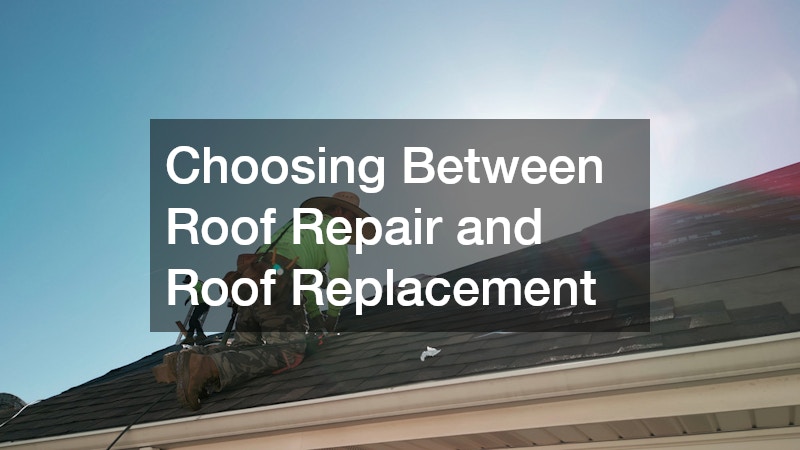
Your roof is one of the most critical components of your home, protecting it from the elements and contributing to overall energy efficiency. Over time, exposure to sun, wind, rain, and snow can lead to wear and damage that requires attention. Homeowners are often faced with the choice between roof repair and a complete roof replacement. Understanding the advantages, costs, and circumstances of each option is essential for making an informed decision that maintains your home’s integrity, value, and safety.
How Do I Know If My Roof Needs Repair or Replacement?
The first step in determining whether to repair or replace your roof is identifying visible signs of damage. Common indicators include leaks, missing or curling shingles, cracked flashing, and sagging areas on the roofline. Interior signs, such as water stains on ceilings or walls, also point to potential issues. Minor localized damage, like a few missing shingles, may be resolved with targeted repairs, while widespread problems often signal the need for a full replacement.
The age of your roof plays a major role in deciding between roof repair and replacement. Asphalt shingles, the most common roofing material, typically last 20 to 25 years, while metal, slate, and tile roofs can endure 40 years or more. If your roof is nearing or has surpassed its expected lifespan, replacement may be more cost-effective than repeated repairs. Conversely, newer roofs with isolated damage are often better suited for repair work.
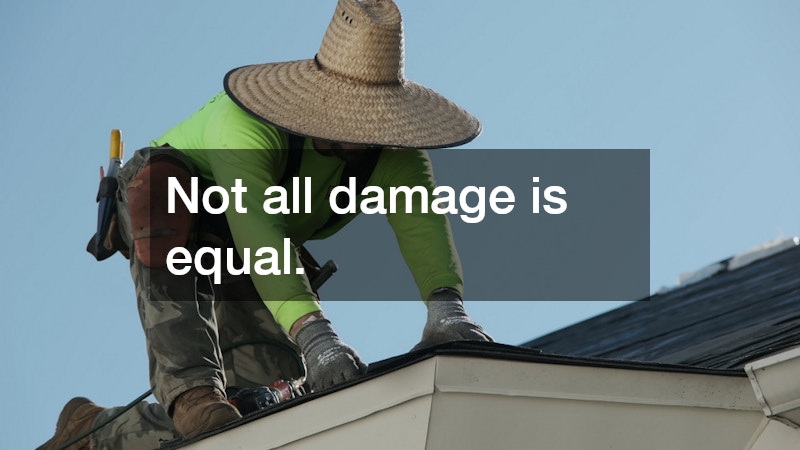
Not all damage is equal. Small leaks or minor storm-related issues may only require localized roof repair, whereas extensive wear, multiple leaks, or structural damage often justify full replacement. A thorough inspection by a professional can assess the severity and spread of the damage, providing clarity on which solution ensures long-term protection and reduces future costs.
What Are the Cost Implications of Roof Repair vs. Replacement?
Several factors influence the cost of roof repairs and replacements. Material choice, labor rates, roof pitch and complexity, and the extent of damage all impact the final expense. Repairs generally cost less upfront because they focus on specific problem areas, while full replacements involve removing old materials and installing new ones across the entire roof, increasing labor and material costs.
While repairs may seem like the cheaper option initially, they can become costly over time if recurring issues arise. A roof replacement, though more expensive upfront, often provides a longer-term solution and adds value to your home. Considering long-term durability and potential maintenance savings is crucial when evaluating which option is most economical.
Homeowners should also consider financing and insurance factors. Many roofing companies offer payment plans for full replacements, and certain repairs or replacements may be covered by homeowners’ insurance, particularly if damage is caused by storms or other covered events. Understanding your financial options and insurance coverage can help you make a cost-effective decision without compromising on quality.
What Types of Roofing Materials Should I Consider for Repair or Replacement?
The material of your roof affects both roof repair options and replacement decisions. Asphalt shingles are common due to their affordability and ease of installation. Metal roofs offer longevity and durability, while slate and tile provide a premium look and extended lifespan. For repairs, matching the existing material is critical, while replacement allows you to upgrade to a more durable or energy-efficient option.
Durability and lifespan are key considerations when deciding whether to repair or replace. Asphalt shingles may require repairs more frequently in harsh climates, while metal or tile roofs often withstand extreme weather with minimal maintenance. Choosing a material with the appropriate lifespan for your home ensures fewer interventions over time and enhances long-term cost efficiency.
Modern roofing materials can also improve energy efficiency and reduce environmental impact. Reflective shingles, metal roofing with high solar reflectance, or sustainable materials like recycled slate and tiles can lower energy costs and carbon footprint. When replacing your roof, upgrading to energy-efficient materials can provide savings on utility bills and contribute to environmentally responsible home improvements.
Deciding between repairing your roof and pursuing a full replacement involves weighing multiple factors, including age, condition, material, and cost. Minor damage on a relatively new roof is often best addressed with targeted repairs, while older roofs with extensive damage typically benefit from complete replacement. Material selection, long-term durability, energy efficiency, and potential cost savings should all inform your decision. Consulting with a professional roofing contractor ensures that you have expert guidance and accurate estimates, helping you choose the option that aligns with both your budget and long-term needs. By carefully evaluating these factors, you can maintain your home’s protection, value, and curb appeal for years to come.